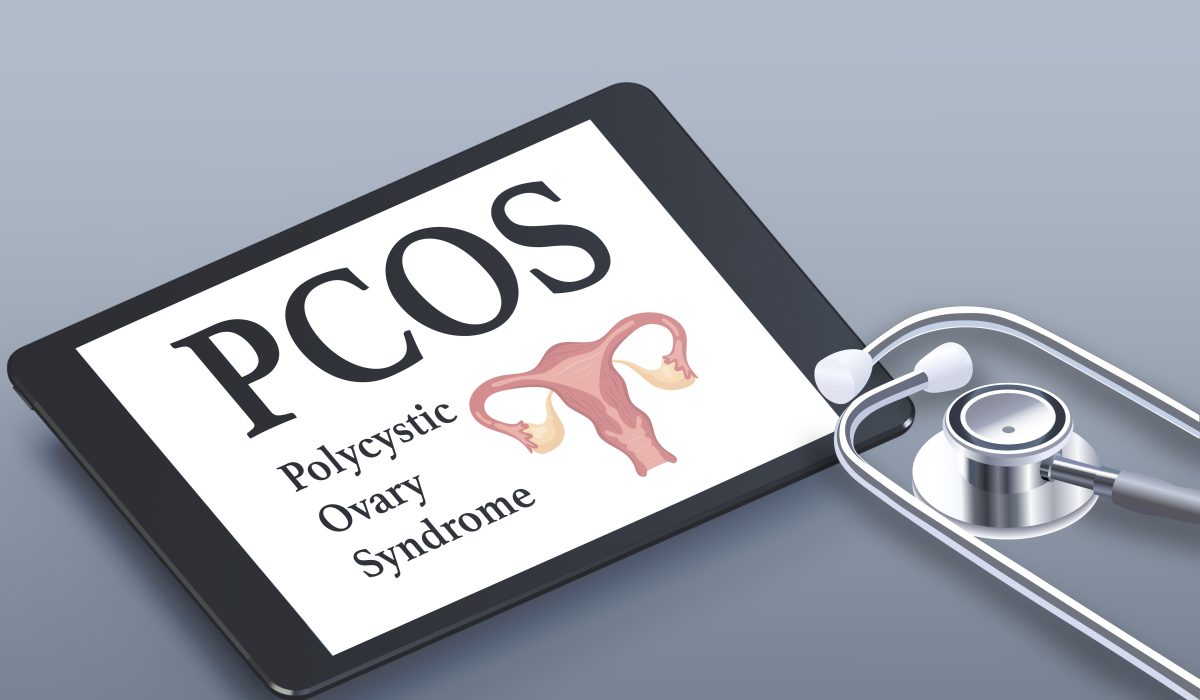
What is PCOS?
Polycystic Ovary Syndrome, or PCOS, is a common health problem. It affects women of childbearing age. In this PCOS overview, you will learn what is PCOS and how it can impact your health. PCOS happens when the ovaries make more male hormones than usual. As a result, small fluid-filled sacs, called cysts, may form in the ovaries. However, not all women with PCOS have these cysts. PCOS can affect periods, fertility, and even how you look. According to the CDC, PCOS is one of the most common causes of infertility in women.
Common Symptoms of PCOS
PCOS symptoms can vary from person to person. Still, some signs are more common than others. If you notice any of these, it may be time to talk to your doctor:
Sometimes, women with PCOS may also have trouble getting pregnant. But, with the right care, many women can manage these symptoms.
Causes and Risk Factors
Doctors are still learning about PCOS causes. However, several factors may play a role. For example, high levels of male hormones can stop the ovaries from working as they should. Insulin resistance is another common cause. This means the body has trouble using insulin, which controls blood sugar. Because of this, the body may make more insulin, leading to more male hormones. Family history can also increase your risk. If your mother or sister has PCOS, you may be more likely to have it too. Being overweight can also raise your risk.
How is PCOS Diagnosed?
PCOS diagnosis usually starts with a visit to your doctor. First, your doctor will ask about your symptoms and medical history. Next, they may do a physical exam. Blood tests can check hormone levels. An ultrasound may be used to look at your ovaries. To be diagnosed with PCOS, you usually need to have at least two of these:
Early diagnosis can help you manage symptoms and lower the risk of long-term problems.
Treatment Options for PCOS
PCOS treatment depends on your symptoms and health goals. While there is no cure, many options can help. Your doctor may suggest:
In some cases, losing weight can help improve symptoms. Your doctor will help you choose the best treatment plan for you.
Lifestyle Tips for Managing PCOS
Making healthy choices can make a big difference. Here are some tips to help manage PCOS:
Even small changes can improve your health over time. But, always talk to your doctor before starting a new diet or exercise plan.
Preventive Measures
While you cannot always prevent PCOS, some steps may lower your risk. For instance, staying at a healthy weight can help. Regular exercise and a healthy diet are important. Managing blood sugar levels can also reduce your risk. If you have a family history of PCOS, let your doctor know. Early check-ups can help catch any problems sooner.
When to See a Doctor
If you notice symptoms like irregular periods, extra hair growth, or trouble getting pregnant, see your doctor. Early treatment can help prevent long-term problems. These may include diabetes, heart disease, or high blood pressure. Remember, you are not alone. Many women have PCOS and find ways to manage it with the right support.
Consult a healthcare specialist for personalized advice on PCOS.