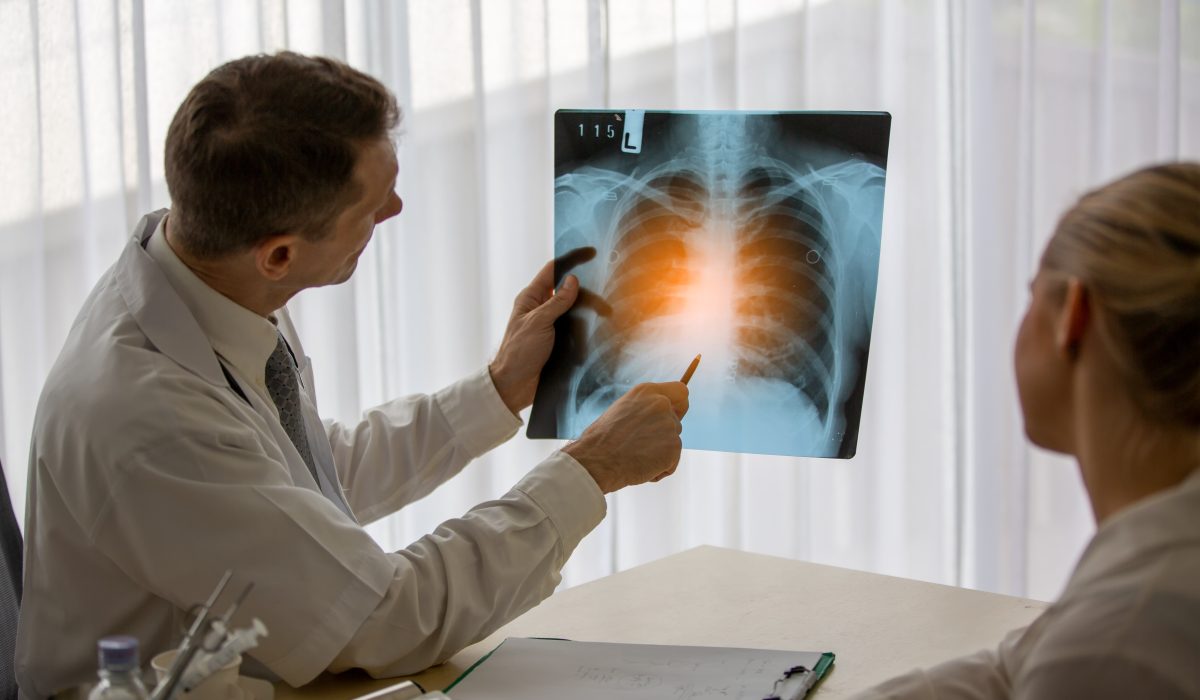
What Is Pulmonary Edema?
Pulmonary edema is a condition where fluid builds up in the lungs. Because of this, it becomes hard to breathe. The lungs are supposed to fill with air. However, when fluid fills the air sacs, your body gets less oxygen. Pulmonary edema can happen suddenly or develop over time. It is a serious health problem that needs quick medical attention. According to the World Health Organization (WHO), this condition can affect people of all ages. Yet, it is more common in older adults and those with heart problems.
Common Symptoms
Often, symptoms of pulmonary edema come on quickly. Sometimes, they may develop slowly. Early recognition is important. Here are common signs to watch for:
If you notice these symptoms, seek medical help right away. Quick action can save lives.
Main Causes
Pulmonary edema has several causes. Some are related to heart problems, while others are not. Below are the main causes:
Sometimes, the cause is not clear. But, heart-related issues are the most common reason for fluid in the lungs.
How Pulmonary Edema Is Diagnosed
Doctors use several tests to diagnose pulmonary edema. First, they ask about your symptoms and medical history. Next, they perform a physical exam. After that, they may order tests such as:
Early diagnosis helps doctors start treatment quickly. This can improve your chances of recovery.
Treatment Options
Treatment for pulmonary edema depends on the cause and how severe it is. Usually, doctors focus on removing the extra fluid and improving breathing. Common treatments include:
In some cases, you may need to stay in the hospital. Quick treatment can prevent serious complications.
Prevention Tips
Although not all cases can be prevented, you can lower your risk. Here are some helpful tips:
By making healthy choices, you can help protect your lungs and heart.
Living With Pulmonary Edema
After treatment, many people can return to normal activities. However, you may need to make some changes. For example, you might need to watch your salt intake or take new medicines. It is important to follow your doctor’s advice. Regular check-ups help catch problems early. If you notice new symptoms, contact your healthcare provider right away. With the right care, you can manage pulmonary edema and improve your quality of life.
Consult a healthcare specialist for personalized advice about pulmonary edema.