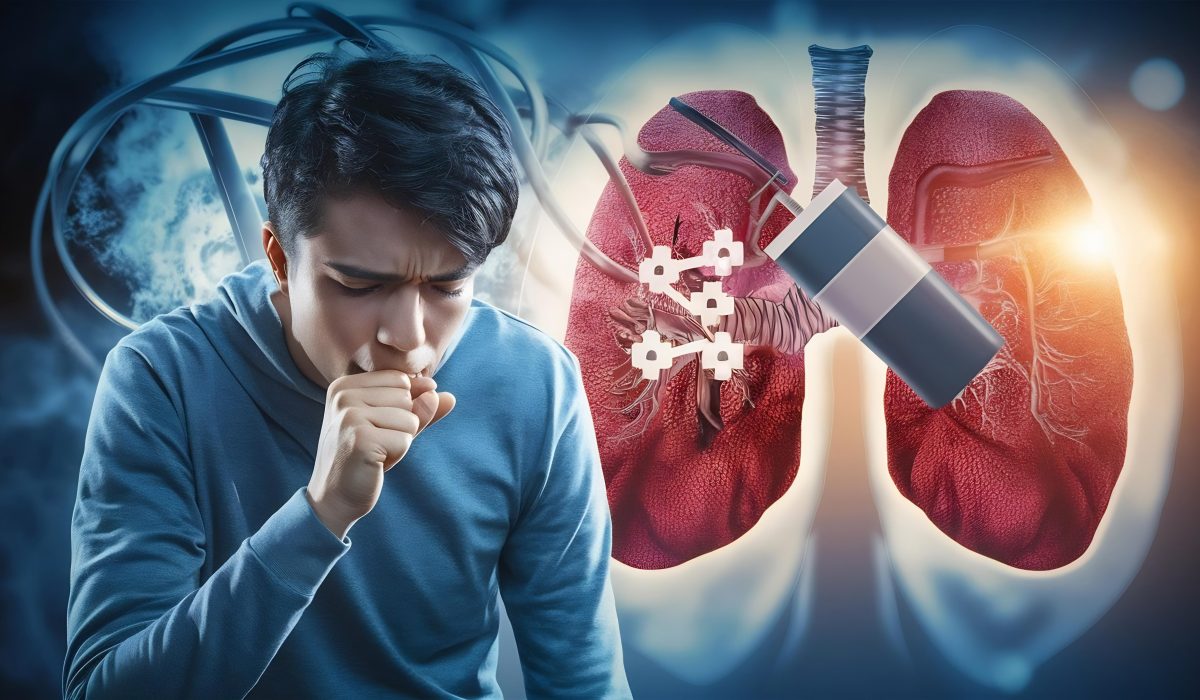
Chronic Obstructive Pulmonary Disease (COPD) is a long-term lung condition that makes it hard to breathe. Many people do not notice the early signs of COPD. However, catching these signs early can help you get treatment sooner. According to the World Health Organization (WHO), COPD is a leading cause of illness worldwide. Early detection can improve your quality of life and slow down the disease. In this blog, we will discuss the 6 early signs of Chronic Obstructive Pulmonary Disease (COPD) and how to spot them.
1. Frequent Cough
First, a cough that does not go away is often an early sign of COPD. This cough may be dry or produce mucus. You might notice that you cough more in the morning or after being active. Over time, the cough can become worse. If you have a cough that lasts for weeks or months, it is important to pay attention. Early treatment can help manage this symptom.
2. Shortness of Breath
Next, feeling short of breath during daily tasks is a common early symptom. You may notice it when walking up stairs or doing chores. At first, you might think you are just out of shape. However, if this feeling gets worse over time, it could be a sign of COPD. Early shortness of breath often happens with mild activity but can progress if not treated.
3. Increased Mucus Production
Another early sign is making more mucus, also called phlegm or sputum. Your body may produce thick, sticky mucus that is hard to clear. This can make you cough more. Over time, the color of the mucus may change. If you notice more mucus than usual, especially if it is yellow or green, talk to your doctor.
4. Wheezing
Wheezing is a whistling or squeaky sound when you breathe. This sound happens when airways become narrow. You may hear it when you breathe out. Sometimes, others can hear it too. Wheezing is not always loud, but it is a sign that your lungs are not working well. If you notice this sound often, it could be an early sign of COPD.
5. Chest Tightness
Many people with early COPD feel a tight or heavy feeling in their chest. This can make it hard to take a deep breath. Sometimes, the feeling comes and goes. Other times, it stays for a while. Chest tightness can be mild at first but may get worse over time. If you feel pressure or discomfort in your chest, do not ignore it.
6. Frequent Respiratory Infections
Finally, getting colds, bronchitis, or chest infections more often can be an early sign of COPD. Your lungs may have trouble fighting off germs. As a result, you may get sick more often than others. These infections can make your COPD symptoms worse. If you notice you are getting sick more often, it is time to see a healthcare provider.
Conclusion: Take Action Early
In summary, early signs of COPD include frequent cough, shortness of breath, increased mucus, wheezing, chest tightness, and frequent infections. If you notice any of these symptoms, do not wait. Early action can help you manage COPD and protect your lungs. If you notice any of these early signs of COPD, consult a healthcare specialist for personalized advice.